
12 Oct Laminitis – A quick start guide for horse owners
What is laminitis?
Laminitis refers to the conditions that impact the Laminae in a horse’s hoof. It is a clinical disease that results from damage, inflammation and weakening of the laminae. It is a very painful condition and can result in lasting harm to the hoof’s internal structure.
Let's cover the basics:
Few words strike fear into horse and pony owners like laminitis. It’s a common and potentially devastating condition that can affect both ponies and horses, and while we hear a lot about it, it’s often misunderstood.
Fortunately, it’s a condition that gets a lot of time and research dedicated to it and our knowledge around laminitis has improved dramatically (and continues to develop). Veterinarians and nutritionists are continuously learning more about the causes, early warning signs and how to manage at-risk horses.
But it’s a huge topic, and while we could talk for days about it, this blog aims to serve as a quick-start guide, or a laminitis 101 that covers the basic every horse owner should understand.
What are the 'Laminae'?
In short: the laminae are soft interlocking tissues, like Velcro that hold the pedal (coffin) bone to the hoof wall inside the hoof capsule.
A little more detail: Our horse’s hooves are so much more than their hard exterior lets on! Inside, they are highly complex structures, made up of multiple bones, tendons, soft tissue, blood vessels, nerves and the laminae.
The laminae are tiny, thin finger-like tissues that interlock to form an almost “Velcro-like” structure. They not only help to hold the pedal bone to the hoof wall but work to keep it suspended and absorb impact.
What happens to the laminae to cause laminitis?
When the laminae are damaged, blood flow is disrupted and the tissues become inflamed, they can weaken, meaning they can’t hold the bone in place properly. The pedal bone can rotate and start putting pressure on the sole of the foot. In severe cases, it can even result in separation of the pedal bone and hoof, and even penetration of the bone through the sole.
The three core types of laminitis:
Endocrinopathic, sepsis-associated and supporting limb.
Laminitis is not just a hoof issue, it’s a whole-body issue. While laminitis occurs in the hoof, it is almost always secondary pathology, not the primary issue. It can be the consequence of illness, trauma or metabolic conditions usually impacting the whole body.
The term “Laminitis” refers to the outcome, rather than the cause, and not all cases are triggered by one thing alone. Instead, laminitis can generally be grouped into three main categories according to cause.
Endocrinopathic Laminitis:
Endocrinopathic laminitis is recognised as the most common and is triggered by hormonal and metabolic issues where elevated insulin triggers damage.
Horses or ponies with insulin and metabolic issues like Insulin Resistance, EMS and PPID (Cushings) are at risk of this form, and it is often triggered by exposure to grass or feeds that cause an exaggerated insulin response.
Sepsis-Associated Laminitis:
Sepsis-Associated (or inflammatory) Laminitis develops secondary to severe illness or systemic inflammation.
This includes infections, certain types of colic, severe diarrhoea, retained placenta or even sudden grain overload. The grain overload alters the hindgut so dramatically that it disrupts pH and microbiome, releasing damaging endotoxins into the bloodstream.
Supporting Limb Laminitis
Supporting Limb Laminitis occurs due to excessive weight-bearing on one leg, due to a severe or non-weight-bearing injury on the opposite limb.
The continuous weight-bearing on the healthy leg can cause compression of the blood vessels and lead to lack of blood supply and oxygen to the laminae, resulting in damage.
The take home message...
Laminitis is irreversible.
Whole body management is the best defence, because by the time a horse is sore in the foot, the primary issue like an insulin spike or toxic inflammation has already been brewing. Understanding your horse or pony’s specific risk factors helps you manage the cause before it gets to the hoof.

Written by our experienced and qualified team of scientists.
Sources and further reading:
Laminitis in Horses – Merck Veterinary Manual
https://www.merckvetmanual.com/musculoskeletal-system/disorders-of-the-foot-in-horses/laminitis-in-horses
Laminitis – Royal Veterinary College London
https://www.rvc.ac.uk/equine-vet/information-and-advice/fact-files/laminitis
Laminitis Research – Royal Veterinary College London
https://www.rvc.ac.uk/equine-vet/research/current-projects/laminitis-research
Looking for a Low NSC, safe feed?
Our Fibre Care range has been developed to provide grain-free, ultra low sugar and starch nutrition for horses and ponies with laminitis, insulin dysregulation, EMS, PPID, Ulcers or grain sensitivities. From leisure to high performance, our fibre care feeds provide safe, quality nutrition for every horse and pony.
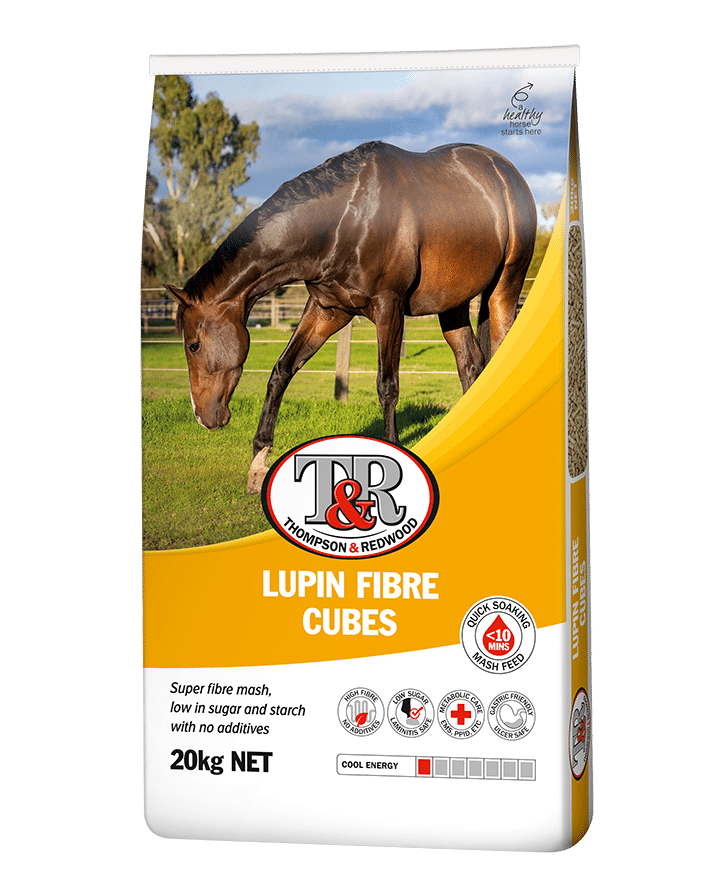
Lupin Fibre Cubes
Fibre supplement mash made from lupin hulls
With only 5.3% NSC and no additives Lupin Fibre Cubes are a safe fibre supplement for horses and ponies prone to laminitis, metabolic conditions, grain sensitivity, gut issues and ulcers.
Lupin hulls are a cool, slow-release energy source, with quality protein and a prebiotic action for gut health and function.
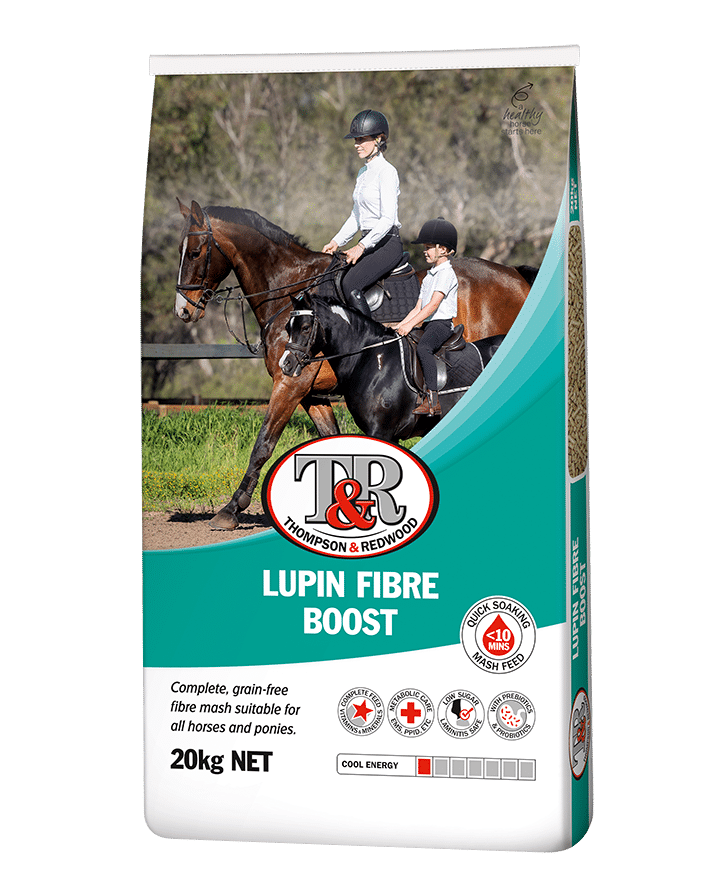
Lupin Fibre Boost
Low calorie complete feed made from lupin hulls.
With only 4.2% NSC, Lupin Fibre Boost builds on our Lupin Fibre Cubes with a full vitamin and mineral mix, essential amino acids and pre and probiotics added to make a safe complete feed for horses and ponies prone to laminitis, metabolic conditions, grain sensitivity, gut issues and ulcers.
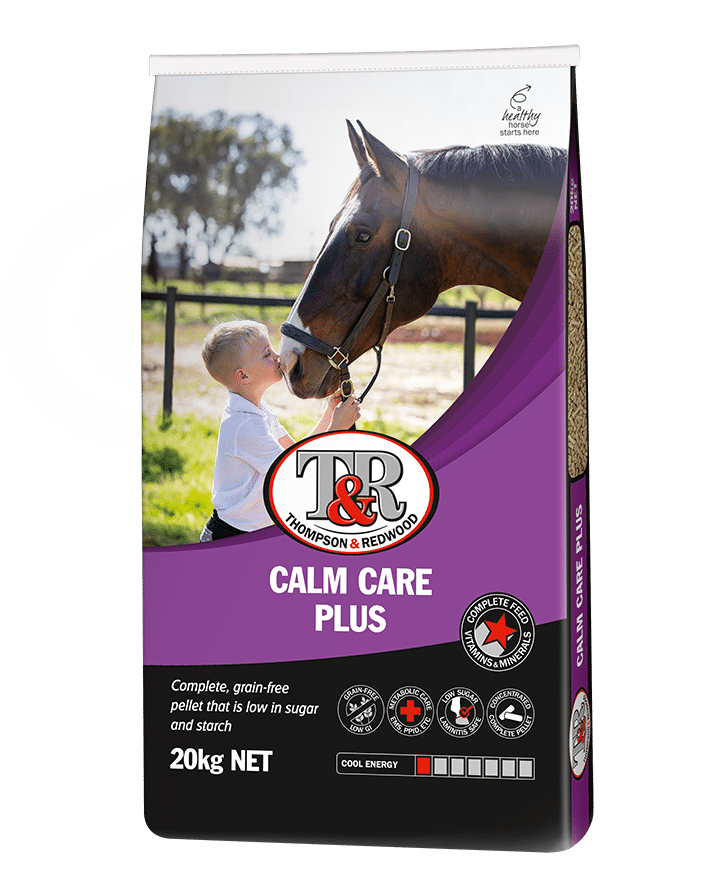
Calm Care Plus
Complete, concentrated pellet with elevated nutrients
With only 5.3% NSC, Calm Care Plus provides cool, slow release energy, proteins and highly in digestible fibre with elevated nutrients, antioxidants and pre and probiotics to support horses and ponies across a range of workloads and disciplines.


No Comments